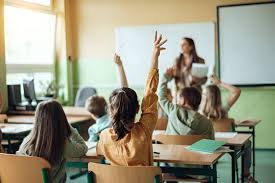
Hey there, reader. Let me take you back to a moment from my own life that still sticks with me. I was about 12, sitting in a dusty classroom in a small town, staring at a blackboard full of algebra equations that looked like hieroglyphics. My teacher, Mrs. Ramirez, saw my frustration and pulled me aside after class. “Education isn’t just about solving for x,” she said with a wink. “It’s about solving for you—who you are and who you can become.” That simple chat sparked something in me, turning a reluctant kid into someone who chased knowledge like it was the ultimate adventure. Fast forward to today, and I see how right she was. Education shapes us in ways we can’t always predict, opening doors we didn’t even know existed. In this article, we’ll dive into 20 key reasons why education is vital in our lives, backed by real insights and stories that make it all relatable. Whether you’re a student, parent, or just curious, stick around— this might just reignite that spark for you too.
What is Education?
Education goes beyond textbooks and tests—it’s the process of gaining knowledge, skills, values, and habits that help us navigate life. Think of it as a lifelong journey, not just school years, where we learn to think critically and adapt to change. From formal classrooms to online courses, it’s about building a foundation for personal and professional growth.
The Personal Benefits of Education
Picture this: a friend of mine dropped out of high school to work odd jobs, thinking quick cash was the way to go. Years later, he regretted it when opportunities passed him by. Education equips us with tools for self-improvement, boosting confidence and opening our minds to new ideas. It’s like upgrading your internal software to handle life’s glitches better.
Building Self-Confidence
One key reason education matters is how it builds self-confidence. Mastering a subject or skill gives that “I did it” rush, like when I finally nailed public speaking in college after bombing my first presentation. This confidence spills over into everyday decisions, making us bolder in pursuing dreams.
Fostering Critical Thinking
Education sharpens our ability to think critically, questioning assumptions and solving problems creatively. Remember the time I debated history in class? It taught me to see multiple sides, a skill that’s saved me in tough work negotiations. Without it, we’d be stuck reacting instead of strategizing.
Promoting Lifelong Learning
It instills a love for lifelong learning, turning curiosity into a habit. I’ve picked up coding in my 30s just for fun, thanks to that early spark. This keeps our minds agile, adapting to tech changes or career shifts without feeling overwhelmed.
Education’s Impact on Career Success
My uncle, a mechanic without formal training, always hit a ceiling in promotions. Education, on the other hand, unlocks better jobs and stability. It’s not just degrees—it’s the network and skills that propel us forward in a competitive world.
Enhancing Job Opportunities
Education expands job prospects by providing qualifications employers seek. Stats show college grads earn up to 66% more over a lifetime. I landed my first real job because of a certification that proved I could deliver.
Increasing Earning Potential
Higher education often means higher paychecks, breaking cycles of poverty. A buddy from community college now runs his own business, earning double what he did before. It’s about investing in yourself for long-term financial freedom.
Building Professional Networks
Schools connect us with peers and mentors who become lifelong allies. At a conference I attended post-grad, I met contacts that led to freelance gigs. These networks offer advice, opportunities, and sometimes that crucial referral.
Societal Advantages of Education
Education isn’t selfish—it’s a ripple effect that betters communities. When more people are educated, societies thrive with innovation and empathy. I’ve seen neighborhoods transform when locals pursue learning, reducing crime and boosting unity.
Reducing Poverty Levels
It lifts people out of poverty by equipping them with marketable skills. Programs like vocational training have helped millions worldwide escape hardship. In my hometown, adult education classes turned struggling families into stable ones.
Promoting Equality and Inclusion
Education bridges gaps between genders, races, and classes, fostering fairness. Women with degrees often advocate for rights, creating inclusive spaces. It’s heartwarming to see how it empowers the underrepresented, like in stories from global initiatives.
Driving Economic Growth
An educated workforce fuels economies through productivity and innovation. Countries investing in education see GDP rises, as skilled workers attract businesses. Think Silicon Valley—built on brains honed by top universities.
Health and Well-Being Through Education
Who knew learning could make you healthier? Educated folks often make better lifestyle choices, leading to longer lives. I quit smoking after a health class opened my eyes—small knowledge with big payoffs.
Improving Health Awareness
Education teaches nutrition, exercise, and prevention, reducing diseases. Communities with higher literacy rates have lower obesity and better mental health. It’s like having a personal guide to wellness.
Enhancing Mental Health
It provides coping tools for stress and builds resilience. Therapy techniques learned in psych courses helped me through tough times. Plus, achieving goals boosts endorphins, warding off depression.
Encouraging Healthy Habits
From hygiene to safe practices, education promotes habits that extend life. Vaccinations and family planning knowledge save lives globally. I’ve seen friends transform after health workshops.
20 Key Reasons Why Education is Important
Here they are—the core 20 reasons, distilled from real-world insights. Each one packs a punch, showing education’s multifaceted power.
- Stability in Life: Provides a reliable foundation for handling uncertainties.
- Financial Security: Leads to better-paying jobs and savings habits.
- Equality Promotion: Breaks down barriers for marginalized groups.
- Self-Dependency: Teaches independence in decision-making.
- Dream Fulfillment: Equips skills to chase passions effectively.
- Safer World: Educated societies have lower crime rates.
- Confidence Boost: Builds assurance through achievements.
- Societal Contribution: Enables innovation and community service.
- Economic Growth: Drives national progress via skilled labor.
- Healthier Lifestyle: Informs better physical and mental choices.
- Environmental Awareness: Fosters sustainable practices.
- Cultural Understanding: Reduces prejudices through exposure.
- Technological Adaptation: Prepares for digital advancements.
- Leadership Skills: Develops abilities to guide others.
- Problem-Solving: Enhances analytical thinking.
- Networking Opportunities: Connects with influential people.
- Personal Growth: Encourages self-reflection and evolution.
- Civic Engagement: Boosts voting and activism.
- Family Benefits: Improves parenting and household dynamics.
- Global Perspective: Broadens views on world issues.
Comparison: Educated vs. Less Educated Lives
| Aspect | Educated Individuals | Less Educated Individuals |
|---|---|---|
| Income Potential | Higher earnings, up to 10% per year of schooling | Lower wages, limited advancement |
| Health Outcomes | Better awareness, longer lifespan | Higher risk of diseases, shorter life |
| Job Stability | More secure positions, benefits | Frequent job changes, instability |
| Social Mobility | Easier upward movement | Stuck in cycles of poverty |
| Community Impact | Active in volunteering, innovation | Limited participation |
This table highlights stark differences, based on studies showing education’s edge.
Pros and Cons of Prioritizing Education
Pros:
- Empowers personal and financial independence.
- Fosters innovation and societal progress.
- Improves health and reduces inequalities.
- Builds networks for lifelong support.
- Enhances adaptability in a changing world.
Cons of Neglecting Education:
- Limits career options and earnings.
- Increases vulnerability to misinformation.
- Hinders problem-solving in daily life.
- Perpetuates poverty across generations.
- Reduces overall life satisfaction.
While pros far outweigh cons, the real con is missing out on potential.
People Also Ask
Drawing from common Google queries, here’s what folks often wonder about education’s role.
What are 5 reasons why education is important?
It boosts career prospects, enhances health, promotes equality, drives economic growth, and builds critical thinking.
Why is education important for success?
Education provides skills, knowledge, and confidence needed to achieve goals, as seen in higher earnings and opportunities.
Why is education important to society?
It creates informed citizens who contribute to stability, innovation, and reduced poverty.
What is the most important purpose of education?
To empower individuals for personal growth and societal betterment, fostering lifelong learning.
Why is education a powerful tool?
It equips us to change our world, as Mandela said, through knowledge and action.
Where to Get Quality Education
Looking for paths? Start with local community colleges or online platforms like Coursera (external link: coursera.org) for flexible courses. For degrees, universities like University of the People offer tuition-free options (external link: uopeople.edu). Internal link: Check our guide on affordable learning resources.
Best Tools for Enhancing Education
For transactional needs, try apps like Khan Academy for free lessons or Duolingo for languages. Premium tools? Grammarly for writing (external link: grammarly.com) or Notion for organization. These make learning efficient and fun.
FAQ
How does education affect daily life?
It influences decisions, from budgeting to relationships, making us more capable and aware.
Is formal education necessary for success?
Not always—self-taught skills count too—but it provides structure and credentials that open doors.
What role does education play in reducing inequality?
It empowers disadvantaged groups with skills for better jobs and advocacy.
Can education improve mental health?
Yes, by building resilience and providing coping strategies through knowledge.
Why invest in education early?
Early learning sets foundations for curiosity and skills, yielding lifelong benefits.
In wrapping up, education isn’t a chore—it’s the adventure that defines us. From my algebra struggles to career wins, it’s been my compass. Dive in, stay curious, and watch how it transforms your world.