Hey, have you ever stood in the grocery aisle, staring at a colorful box of cereal or a bag of flavored chips, wondering if it’s doing your body any favors? I have. A few years back, I was rushing through my weekly shop, tossing in whatever looked convenient for busy weeknights. Little did I know, those quick picks were mostly ultra-processed foods—stuff engineered in factories to taste irresistible but packed with hidden pitfalls. It’s a wake-up call that hits home for many of us juggling life, and today, we’re unpacking it all. From definitions to health risks and practical swaps, let’s explore why cutting back on these could be a game-changer for your well-being.
What Are Ultra-Processed Foods?
Ultra-processed foods, often abbreviated as UPFs, are industrial creations made from substances extracted from whole foods, combined with additives to enhance flavor, texture, and shelf life. Think of them as formulations rather than natural eats—they typically include five or more ingredients, many of which you’d never stock in your kitchen, like high-fructose corn syrup, hydrogenated oils, or artificial colors. These aren’t just tweaked versions of fresh ingredients; they’re designed for convenience and craveability, dominating supermarket shelves and fast-food menus.
I recall my first real encounter with the term during a doctor’s visit. My energy was tanking, and weight was creeping up despite “healthy” choices like flavored yogurts. Turns out, those were UPFs in disguise. The NOVA system, developed by researchers in Brazil, classifies them as group 4 foods—far removed from unprocessed staples like apples or chicken. It’s eye-opening how something as simple as a snack bar can pack more lab-made tweaks than nutrition.
The NOVA Classification System Explained
The NOVA framework breaks foods into four groups based on processing levels, helping us spot UPFs easily. Group 1 covers unprocessed or minimally processed items, like fresh fruits, vegetables, and plain meats—no alterations beyond basic cleaning or freezing. Group 2 includes culinary ingredients like oils, salt, and sugar, used sparingly in home cooking.
Group 3 involves processed foods, such as canned veggies in brine or freshly baked bread with a few additives. These retain some whole-food essence but get a boost for preservation. Then comes group 4: ultra-processed, where the magic (or mischief) happens with industrial mixes of extracts, emulsifiers, and flavors to create hyper-palatable products.
This system isn’t just academic; it’s practical. I started using it to audit my pantry, and it felt like decluttering my diet. No wonder UPFs make up over half of calories in many American households—they’re cheap, tasty, and everywhere.
Why NOVA Matters for Everyday Eating
NOVA shines because it focuses on processing’s purpose, not just nutrients. It reveals how UPFs displace healthier options, leading to nutrient-poor diets. Studies using NOVA link higher UPF intake to various health woes, making it a tool for policymakers too.
Imagine explaining this to a friend over coffee—it’s like saying, “That soda isn’t just sugary water; it’s a cocktail of engineered bliss.” It clicks, right?
Common Examples of Ultra-Processed Foods
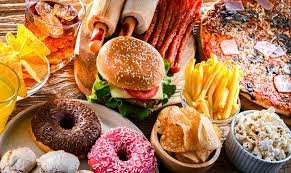
Walk down any supermarket aisle, and UPFs stare back at you in vibrant packaging. Sodas, energy drinks, and flavored waters top the list, loaded with sweeteners and colors. Packaged snacks like chips, cookies, and candy bars follow, often fried in cheap oils and dusted with flavor enhancers.
Breakfast cereals, especially sugary ones with marshmallows or artificial hues, qualify too. So do processed meats like hot dogs, bacon, and deli slices, preserved with nitrates. Frozen pizzas, instant noodles, and ready meals round it out—these are convenience kings but nutrition paupers.

An aisle brimming with ultra-processed cereals and snacks, tempting but often lacking real nourishment.
I once grabbed a “healthy” granola bar thinking it was a win—turns out, it was ultra-processed with added isolates and sweeteners. Real eye-opener!
Sneaky UPFs in Disguise
Even “health” foods like flavored yogurts, plant-based burgers, or protein shakes can be UPFs if they boast long ingredient lists with emulsifiers. Breads with preservatives or mass-produced pastries fit here too.
It’s humorous how a bag of “baked” chips markets itself as better, yet it’s still ultra-processed. Labels lie—always flip to the back.
Health Impacts of Consuming Ultra-Processed Foods
UPFs aren’t just empty calories; they’re tied to serious risks. High in added sugars, salts, and fats, they spike blood sugar and promote overeating due to low satiety. This fuels obesity, with studies showing UPF-heavy diets lead to weight gain and related issues like type 2 diabetes.
Heart disease looms large too—excess sodium and trans fats inflame arteries. Cancer links emerge from additives and processing byproducts, with research indicating higher risks for colorectal and overall cancers. Mental health suffers as well, with ties to depression from gut disruption.
One study floored me: swapping UPFs for whole foods cut calorie intake by 500 daily without trying. It’s like your body knows better.
Long-Term Effects on Mortality and Well-Being
Greater UPF exposure correlates with higher all-cause mortality, including cardiometabolic diseases. Kids eating 70% UPF calories face early obesity risks—scary stuff.
Emotionally, ditching them boosted my mood. No more crashes; just steady energy. Who knew food could feel this empowering?
Processed vs. Ultra-Processed Foods: Key Differences
Not all processing is equal. Processed foods might be canned tomatoes with salt—simple tweaks for safety. Ultra-processed? They’re reformulated with isolates and additives, barely resembling origins.
Here’s a quick comparison:
| Aspect | Processed Foods | Ultra-Processed Foods |
|---|---|---|
| Ingredients | Few, recognizable (e.g., flour, water, yeast for bread) | Many, industrial (e.g., emulsifiers, flavors in packaged bread) |
| Purpose | Preservation, basic enhancement | Hyper-palatability, long shelf life |
| Examples | Cheese, canned fish | Hot dogs, instant soups |
| Health Impact | Moderate if balanced | High risk of overconsumption and disease |
Processed can fit a healthy diet; ultra often crowds it out.
I swapped canned beans (processed) for homemade—tastier, no regrets.
Pros and Cons of Ultra-Processed Foods
Pros:
- Convenient for busy lives
- Affordable and widely available
- Long-lasting, reducing waste
Cons:
- Linked to obesity and chronic diseases
- Nutrient-poor, displacing whole foods
- Addictive flavors lead to overeating
The cons outweigh, but hey, occasional indulgence? Fine in moderation.
How to Identify Ultra-Processed Foods
Spotting UPFs starts with labels. Look for lists longer than your grocery receipt, with items like “modified starch” or “artificial flavor.” If it’s not kitchen-friendly, it’s likely ultra.
Check for high added sugars (over 10g per serving), sodium, or fats. Packaging screams it too—bold claims like “extra crunchy” often hide processing.
My tip: Shop the store’s edges for produce and meats. Middle aisles? UPF central.
Quick Label-Reading Hacks
Scan for cosmetic additives: emulsifiers, colors, preservatives. Apps help, but eyes first.
It’s like detective work—fun once you get the hang.
Tips for Reducing Ultra-Processed Food Intake
Start small: Swap soda for water or herbal tea. Cook more—batch meals with whole ingredients like veggies and grains.
Plan shops: List fresh items first. Eat mindfully; UPFs trick you into extras.
I began with one meal a day unprocessed. Energy soared—no joke.
- Choose whole fruits over juices
- Opt for plain nuts instead of flavored
- Make dressings from oil and vinegar
- Read one label per shop to build habits
Pros of cutting back: Better weight control, fewer cravings. Cons? Initial effort, but worth it.
Healthier Swaps for Common UPFs
- Chips → Air-popped popcorn with herbs
- Sugary cereal → Oatmeal with fresh berries
- Processed meat → Grilled chicken
- Frozen pizza → Homemade with whole-wheat base
These feel indulgent without the guilt.
Best Tools and Apps for Identifying UPFs
Tech makes it easier. Yuka scans barcodes, rating products on additives and processing—free and insightful.
The Processed App uses AI to classify as ultra, processed, or whole. Open Food Facts crowdsources data for global items.
I love Yuka for cosmetics too—dual purpose!
Top Apps Compared
| App | Features | Cost |
|---|---|---|
| Yuka | Scans food/cosmetics, health scores | Free |
| Processed | AI categorization, simple interface | Free basic |
| EWG Food Scores | Rates 80,000+ items on nutrition/processing | Free |
These empower smarter choices on the go.
Where to Shop for Minimally Processed Alternatives
Hit farmers’ markets for fresh produce—no processing needed. Stores like Whole Foods or Sprouts prioritize organics and whole sections.
Aldi offers affordable unprocessed picks like plain meats and veggies. Online: Wildly Organic for bulk nuts and grains.
My local market became a ritual—vibrant, inspiring cooks.
Budget-Friendly Spots
- Produce aisles in any grocer
- Bulk bins for grains
- Co-ops for community-sourced items
Navigating here saves money and health.
People Also Ask (PAA)
Here are real questions from Google searches on ultra-processed foods:
- What are examples of ultra-processed foods? Sodas, chips, cereals, and processed meats top lists—check labels for additives.
- Are ultra-processed foods bad for you? Yes, linked to obesity, diabetes, and heart issues from overeating and poor nutrients.
- How can I avoid ultra-processed foods? Shop perimeters, cook from scratch, and use apps for guidance.
- What is the difference between processed and ultra-processed foods? Processed add basics like salt; ultra reformulate with many additives.
FAQ
What exactly defines an ultra-processed food? It’s per NOVA: industrial mixes with additives like flavors or preservatives, little whole food.
Can ultra-processed foods cause cancer? Studies link higher intake to increased risks, possibly from additives and obesity.
Are all packaged foods ultra-processed? No—plain canned beans are processed; those with emulsifiers are ultra.
How much of my diet should be ultra-processed? Aim for under 20%; focus on whole foods for balance.
What’s a simple way to start cutting UPFs? Replace one snack daily with fruit or nuts—build from there.
Wrapping up, ultra-processed foods sneak into our lives with convenience, but awareness flips the script. My journey from grab-and-go to mindful eating brought vitality I didn’t expect. Try one swap today; your body will thank you.