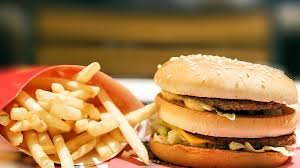
Hey there, remember that time you dashed through the drive-thru after a long day, craving a juicy burger and salty fries? I sure do—I’ve been there myself, thinking it’s just a quick fix. But as someone who’s dug into nutrition over the years, chatting with doctors and trying to clean up my own habits, I’ve learned that one innocent fast food meal can set off a chain reaction in your body. It’s like inviting a rowdy guest to a party; things get messy fast. Let’s break it down step by step, from that first bite to the lingering effects, so you can make smarter choices without feeling preached at.
The Immediate Hit: What Happens Right After Eating
Picture this: you’ve just polished off a combo meal, and your stomach’s doing flips. That bloated feeling isn’t your imagination—it’s your body’s way of saying, “Whoa, slow down.” Fast food packs a punch with high sodium and fats, leading to quick water retention and discomfort.
Blood Sugar Rollercoaster
Your bloodstream gets flooded with simple carbs and sugars from the bun and soda, spiking glucose levels almost instantly. This rush gives you a short burst of energy, but then comes the crash, leaving you tired and hungry again soon after. It’s no wonder you reach for more snacks—your body craves balance but gets chaos instead.
Digestive Drama Unfolds
Greasy fries and processed meats slow down digestion, causing gas, cramps, or even heartburn as acids back up. Without much fiber, things move sluggishly through your gut, making you feel heavy and sluggish. Ever notice how a salad leaves you energized while a burger weighs you down? That’s the difference fiber makes.
Temporary Heart Strain
All that salt jacks up your blood pressure temporarily, putting extra work on your heart and vessels. It’s like revving an engine too hard—fine once in a while, but risky if it becomes routine. Your body retains fluid to dilute the sodium, which can make you feel puffy and uncomfortable.
Long-Term Toll: Building Up Over Time
Fast forward a few months of regular fast food runs, and the effects start stacking up like unpaid bills. I once ignored this during a stressful job phase, gaining weight without realizing how it snuck up. Your body adapts, but not in good ways, leading to serious health shifts that aren’t easy to reverse.
Weight Gain and Obesity Risks
Those calorie-dense meals add up quickly, often exceeding what you burn, leading to steady pounds creeping on. Obesity isn’t just about looks—it’s linked to joint pain and fatigue from carrying extra weight. Studies show frequent fast food eaters gain more over time, making everyday activities tougher.
Heart Health Under Siege
Saturated fats and trans fats clog arteries, raising cholesterol and inflammation that pave the way for heart disease. Imagine your blood vessels narrowing like traffic-jammed roads—strokes and attacks become real threats. Cutting back can help, but consistent indulgence turns the odds against you.
Diabetes on the Horizon
Repeated sugar spikes wear out your insulin response, potentially leading to type 2 diabetes where your body struggles to manage glucose. It’s sneaky; you might not feel it at first, but fatigue and thirst creep in. Personal tip: swapping soda for water made a huge difference in my energy levels.
Mental Fog and Mood Swings
Surprisingly, fast food messes with your brain too, linking to higher depression risks from nutrient shortages. Omega-3s and vitamins in whole foods keep moods stable, but junk lacks them, leaving you irritable or down. I felt sharper after ditching drive-thrus for home-cooked meals—worth the effort.
How Fast Food Stacks Up Against Home-Cooked Meals
Ever wonder why a homemade burger feels different? It’s all in the ingredients. Fast food often hides extra sugars and preservatives, while home versions let you control portions and add veggies. Let’s compare a typical fast food meal to a healthier twist.
| Aspect | Fast Food Burger Meal | Homemade Grilled Chicken Salad |
|---|---|---|
| Calories | 1,200+ | Around 600 |
| Fat Content | 50g+ (mostly saturated) | 20g (healthy fats from avocado) |
| Sodium | 1,500mg+ | Under 500mg |
| Fiber | Minimal (2-3g) | High (10g+) from greens |
| Nutrients | Low vitamins, high empty carbs | Rich in vitamins A, C, protein |
This table shows the stark contrast—opting for home-cooked saves calories and boosts nutrition without sacrificing taste.
Pros and Cons of Grabbing Fast Food
Sure, it’s convenient, but weighing the ups and downs helps. Here’s a quick list to ponder next time you’re tempted.
Pros
- Quick and easy on busy days.
- Affordable for occasional treats.
- Wide variety satisfies cravings.
Cons
- Leads to nutrient deficiencies over time.
- Contributes to chronic diseases like hypertension.
- Can become addictive due to high sugar and fat.
- Environmental impact from packaging waste.
Finding Healthier Paths: Where to Get Better Options
If ditching fast food cold turkey sounds impossible, start small. Head to spots like Chipotle for customizable bowls with fresh ingredients, or Panera Bread for salads minus the heavy dressings. Local farmers’ markets offer grab-and-go wraps that beat burgers in nutrition—check your area’s listings for convenient spots.
Best Tools for Tracking Your Intake
Want to keep tabs on those sneaky calories? Apps make it simple. MyFitnessPal scans barcodes and logs meals effortlessly, helping you spot patterns in fast food slips. Cronometer dives deeper into micronutrients, ideal if you’re worried about deficiencies. Lose It! sets goals and reminds you to balance indulgences with veggies—I’ve used it to cut back without feeling deprived.
People Also Ask
Diving into common questions folks search on Google about fast food’s body effects—I’ve pulled these from real queries to address what you’re likely wondering.
What are the short-term effects of eating fast food?
Right after, you might experience bloating, energy spikes followed by crashes, and elevated blood pressure from sodium. These fade but signal your body’s protest against the nutrient void.
How does fast food affect your mental health?
It can increase depression risks by lacking mood-boosting nutrients like omega-3s. Studies link regular junk to anxiety too—swapping for balanced meals often lifts the fog.
What happens if you eat fast food every day?
Daily habits amplify risks: weight gain, diabetes, heart issues, and even skin problems like acne from blood sugar swings. It’s a slow build, but reversing it starts with moderation.
Is there any healthy fast food?
Yes, options like grilled chicken salads or veggie wraps exist at chains. Focus on whole ingredients—check menus for lower-calorie picks to satisfy without the guilt.
How can I recover from a fast food binge?
Hydrate, walk it off, and eat fiber-rich foods next. One meal won’t derail you; consistency in healthy choices rebuilds balance. I always follow up with a big salad to reset.
FAQ
Can one fast food meal really harm my body?
Not drastically, but it adds empty calories and sodium that strain systems temporarily. Occasional is fine; the issue is frequency building long-term problems.
What nutrients are missing in fast food?
Typically fiber, vitamins, and minerals like potassium. This leads to imbalances—aim for fruits and veggies to fill gaps. For more on balanced diets, see our internal guide on nutrition basics.
How does fast food cause inflammation?
Processed ingredients trigger body responses, increasing markers that link to diseases. Anti-inflammatory foods like berries counter this—try incorporating them daily.
Are there fast food options for diabetics?
Look for low-carb items like salads without dressing or grilled proteins. Apps help track; consult a doctor for personalized advice.
Does fast food affect kids differently?
Yes, growing bodies need nutrients for development—excess junk risks obesity and focus issues. Encourage home snacks; resources at CDC’s healthy eating page.
Wrapping up, that tempting fast food meal might seem harmless, but understanding its ripple effects empowers better decisions. I’ve shared my slips and wins because we’re all in this together—small swaps add up to big changes. Next time, maybe grab a homemade wrap instead? Your body will thank you with more energy and fewer regrets. If you’re curious about more health tips, explore our related article on meal prepping. Stay well!