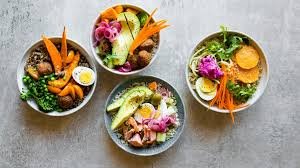
Hey there, if you’re reading this, chances are you’ve stared at the scale a few too many times, wondering why those stubborn pounds won’t budge. I get it—I’ve been there myself. A couple of years back, after a hectic job left me relying on takeout and skipping workouts, I packed on 20 extra pounds. It wasn’t until I shifted my focus to simple, whole foods that things started changing. No crash diets or magic pills, just real eats that kept me full and energized. In this piece, I’ll share 11 standout foods that helped me—and countless others—shed weight sustainably. We’ll dive into why they work, how to incorporate them, and even some tips on where to snag the best ones. Stick around; this could be the nudge you need.
Why Food Choices Matter for Weight Loss
Losing weight boils down to creating a calorie deficit, but it’s not just about eating less—it’s about eating smarter. Nutrient-packed foods help you feel satisfied longer, curb cravings, and boost your metabolism without leaving you hangry. From my experience, swapping processed snacks for these options made all the difference; I dropped those pounds while actually enjoying meals.
The Science Behind Weight Loss Foods
Research shows that foods high in protein, fiber, and healthy fats promote satiety and fat burning. For instance, studies highlight how these elements regulate hormones like ghrelin, which controls hunger. It’s not rocket science—choosing whole foods over refined ones supports steady energy and long-term results, as backed by experts at places like the Mayo Clinic.
The 11 Powerhouse Foods for Your Weight Loss Journey
These aren’t gimmicks; they’re everyday staples that pack a punch. I’ve picked ones that are versatile, affordable, and backed by solid nutrition info. Let’s break them down one by one.
1. Eggs
Eggs are like nature’s multivitamin, loaded with protein that keeps you full for hours. I used to boil a batch on Sundays for quick breakfasts, and it stopped my mid-morning munchies cold. They’re low in calories but high in nutrients like choline, which aids fat metabolism—perfect for starting your day right.
2. Avocados
Don’t fear the fat in avocados; it’s the good kind that helps control appetite. Slicing half into my salads made meals more satisfying without piling on calories. Studies suggest their monounsaturated fats can reduce belly fat, and they’re a tasty way to add creaminess to dishes.
3. Leafy Greens
Spinach, kale, and lettuce are volume kings—low calories, high water content, and fiber that fills you up fast. I tossed them into smoothies when I got bored of salads, and it felt like cheating the system. They’re nutrient-dense, helping with digestion and keeping blood sugar stable for fewer cravings.
4. Berries
Berries like strawberries and blueberries are sweet treats that won’t derail your goals. Their antioxidants fight inflammation, which can hinder weight loss, and the fiber slows sugar absorption. I froze them for snacks, turning what could be a boring afternoon into a refreshing boost.
5. Salmon
This fatty fish is a protein powerhouse with omega-3s that reduce inflammation and support heart health. Grilling a fillet twice a week kept me satisfied and away from junk. Research links regular fish intake to lower body fat, making it a smart choice for sustainable loss.
6. Beans and Legumes
Cheap, filling, and versatile—beans like chickpeas and lentils are fiber and protein stars. I added them to soups for hearty meals that lasted. They promote gut health and steady energy, with studies showing they help maintain weight after initial loss.
7. Nuts
A handful of almonds or walnuts curbs hunger with healthy fats and crunch. I kept portions small to avoid overdoing it, but they were my go-to when cravings hit. Nuts boost metabolism slightly, and their satisfaction factor makes dieting feel less punishing.
8. Oats
Start your morning with oats for sustained energy from complex carbs and fiber. I jazzed mine up with berries to keep it exciting. Beta-glucan in oats lowers cholesterol and helps control blood sugar, aiding in fat loss over time.
9. Greek Yogurt
Creamy and protein-rich, Greek yogurt is a snack that feels indulgent but supports your waistline. Topping it with nuts turned it into a mini meal for me. Probiotics in it improve gut health, which ties into better weight management.
10. Apples
An apple a day? It might just help with weight. Their pectin fiber slows digestion, keeping you full. I carried one in my bag for emergencies, dodging vending machine temptations. Low-calorie and portable, they’re ideal for on-the-go lifestyles.
11. Chili Peppers
Spice things up with chilies—the capsaicin boosts metabolism and curbs appetite. Adding them to stir-fries gave my meals a kick without extra calories. It’s a fun way to rev up fat burning, especially if you like a little heat.
Nutritional Comparison of These Foods
To make it easier, here’s a quick table comparing key nutrients per typical serving. This helps you see why they’re winners for weight loss.
| Food | Serving Size | Calories | Protein (g) | Fiber (g) | Key Benefit |
|---|---|---|---|---|---|
| Eggs | 2 large | 140 | 12 | 0 | High satiety from protein |
| Avocados | 1/2 medium | 120 | 2 | 5 | Healthy fats for fullness |
| Leafy Greens | 2 cups | 20 | 2 | 2 | Low-cal volume booster |
| Berries | 1 cup | 60 | 1 | 4 | Antioxidants and sweetness |
| Salmon | 3 oz | 180 | 20 | 0 | Omega-3s for inflammation |
| Beans | 1/2 cup | 110 | 7 | 6 | Plant-based protein power |
| Nuts | 1 oz | 160 | 5 | 3 | Crunchy hunger fighter |
| Oats | 1/2 cup dry | 150 | 5 | 4 | Sustained energy release |
| Greek Yogurt | 6 oz | 100 | 15 | 0 | Probiotic gut support |
| Apples | 1 medium | 80 | 0 | 4 | Portable fiber snack |
| Chili Peppers | 1 medium | 30 | 1 | 2 | Metabolism kick-starter |
This snapshot shows how these foods balance low calories with high nutrients, making them ideal for a calorie deficit without deprivation.
Pros and Cons of Incorporating These Foods
Every change has upsides and downsides, right? Here’s a balanced look.
Pros:
- Boost satiety to reduce overall calorie intake.
- Provide essential vitamins and minerals for energy.
- Versatile for recipes, keeping things fresh.
- Affordable and accessible year-round.
- Support long-term health beyond just weight.
Cons:
- Some, like nuts, can be calorie-dense if overeaten.
- Allergies might limit options (e.g., nuts or eggs).
- Preparation time if you’re not used to cooking.
- Initial adjustment to flavors if you’re from a processed-food background.
Weighing these helped me stick with it— the pros far outweighed the minor hassles.
Comparing Whole Foods vs. Processed Alternatives
Think about eggs versus a sugary cereal: eggs keep you full till lunch, while cereal spikes blood sugar and leaves you crashing. Whole foods like these 11 win because they’re minimally processed, retaining nutrients that processed junk strips away. For example, an apple beats apple juice hands down—fiber intact means slower digestion and fewer calories. This shift not only aids weight loss but improves mood and energy, as I’ve felt firsthand.
Where to Get These Foods and Best Tools for Tracking
Sourcing fresh produce? Hit up local farmers’ markets for berries and greens—they’re often cheaper and tastier. For salmon, check sustainable brands at grocery stores like Whole Foods. If you’re tracking progress, apps like MyFitnessPal are gold for logging calories and nutrients. They’re free to start and help ensure you’re in that deficit. For recipes, sites like EatingWell offer easy ideas tailored to weight loss.
People Also Ask
Drawing from common Google queries, here are real questions folks search about weight loss foods, with straightforward answers.
What foods help burn belly fat?
Foods rich in fiber and protein, like leafy greens and eggs, promote fat loss by increasing fullness and metabolism. Combine with exercise for targeted results.
What are the 5 foods that burn belly fat?
Top picks include avocados, berries, salmon, Greek yogurt, and chili peppers—they boost fat oxidation and curb hunger effectively.
What to eat to lose weight in 7 days?
Focus on veggies, lean proteins, and whole grains while cutting sugars. Aim for a 500-calorie daily deficit, but consult a doc for safety.
What should I eat every day to lose weight?
Incorporate a mix: protein at each meal, plenty of veggies, and healthy fats. Consistency over perfection is key.
How can I lose 10 pounds in a month?
Eat these nutrient-dense foods, stay active with 150 minutes of weekly exercise, and track intake. Sustainable habits beat quick fixes.
Frequently Asked Questions
Can these foods alone make me lose weight?
No, but they’re a big part—they support a calorie deficit. Pair with activity and portion control for best results. From my journey, they made the process enjoyable.
Are there any side effects to eating more of these?
Rarely, but overdoing fiber-rich ones like beans might cause bloating initially. Start slow and drink water to ease in.
How do I incorporate these if I’m vegetarian?
Easy—swap salmon for tofu or more beans. Most on this list are plant-based anyway, keeping options open.
What’s the best way to prepare these foods?
Keep it simple: grill, steam, or raw. Avoid frying to maintain low calories. Experiment to find what you love.
Do I need supplements with these foods?
Usually not; they’re nutrient-packed. But if deficient, talk to a doctor. Whole foods are always the first line.
Wrapping this up, remember my story? Those 20 pounds didn’t vanish overnight, but adding these foods turned the tide. It’s about progress, not perfection. Give them a try, maybe start with one or two, and see how your body responds. You’ve got this—here’s to feeling lighter and more vibrant. If you’re serious, check out resources from trusted spots like Healthline for more recipes. Stay consistent, and the results will follow.