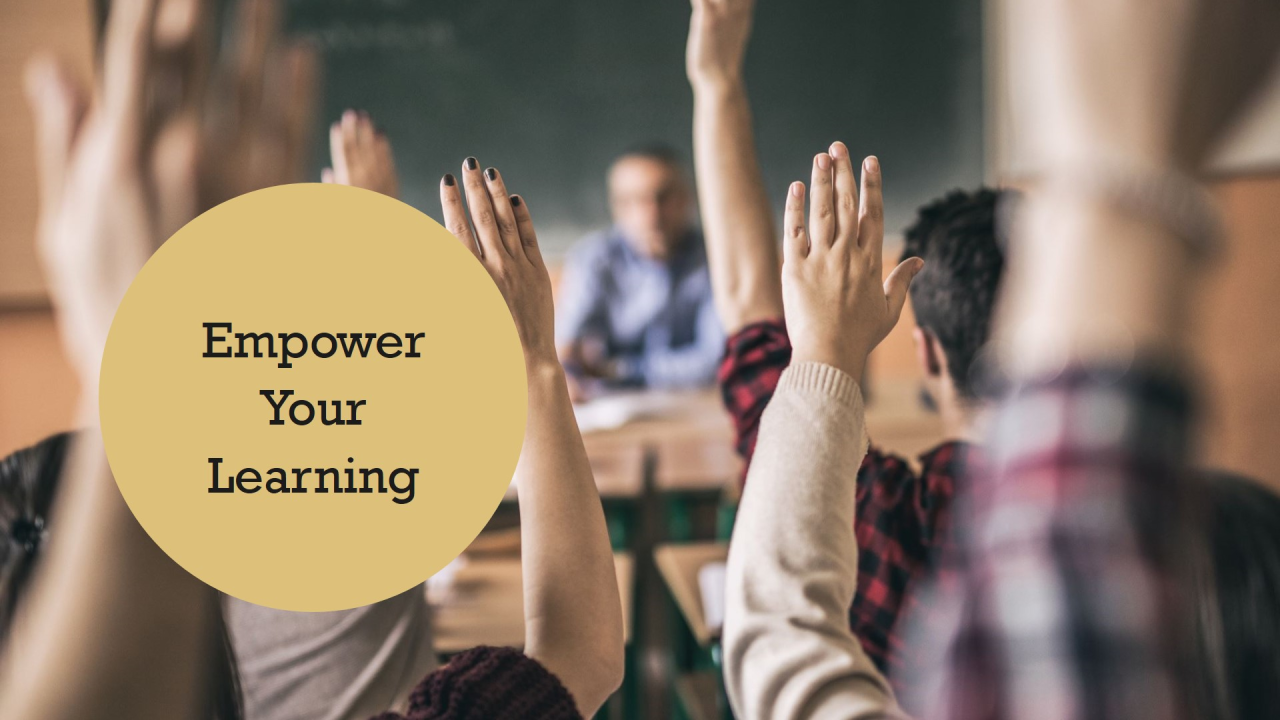
Remember the first time you fixed something on your own? For me, it was in high school shop class, piecing together a broken radio with nothing but a screwdriver and sheer determination. That wasn’t just tinkering—it sparked a lifelong curiosity about how things work. Education like that sticks with you, turning everyday challenges into opportunities. It’s not about cramming facts; it’s about building the confidence to tackle life head-on. In a world that’s always changing, empowering education equips us to adapt, innovate, and thrive, no matter what curveballs come our way.
What Is Empowering Education?
Empowering education goes beyond rote learning—it’s about giving people the tools to take control of their lives and make informed choices. Drawing from thinkers like Paulo Freire, it focuses on critical thinking, problem-solving, and real-world application rather than just memorization. This approach helps individuals not only understand their surroundings but also challenge injustices and pursue personal growth.
Key Components of Empowering Education
At its core, this type of education emphasizes participation, collaboration, and self-directed learning to build confidence and independence. For instance, hands-on projects and group discussions encourage students to own their progress, fostering skills that last a lifetime. It’s less about grades and more about developing a mindset ready for any obstacle.
- Critical Thinking: Encourages questioning and analyzing information.
- Practical Skills: Focuses on real-life applications like problem-solving.
- Inclusivity: Ensures everyone, regardless of background, can participate.
- Adaptability: Prepares learners for ongoing change in a fast-paced world.
The Benefits of Education for Life
Education for life isn’t confined to classrooms; it’s a continuous journey that enhances personal fulfillment and societal contributions. It boosts health, income, and community ties by promoting lifelong habits like curiosity and resilience. Imagine navigating career shifts or health crises with ease—that’s the real payoff.
Economic Advantages
Higher earnings and job stability often follow those who embrace lifelong learning, as skills like adaptability open doors in evolving markets. For example, someone with ongoing tech training might pivot from one industry to another seamlessly. This not only secures finances but also reduces unemployment risks.
Social and Personal Growth
On a deeper level, it cultivates empathy and stronger relationships, helping people build supportive networks. Think of how learning about diverse cultures can bridge divides in your community. It also sparks joy in discovery, turning hobbies into passions that enrich daily life.
Here’s a table comparing short-term vs. long-term benefits:
| Aspect | Short-Term Benefits | Long-Term Benefits |
|---|---|---|
| Financial | Better entry-level jobs | Higher lifetime earnings |
| Health | Improved decision-making | Longer life expectancy |
| Social | Stronger immediate networks | Community leadership roles |
| Personal | Boosted confidence | Lifelong fulfillment |
Pros and Cons of Pursuing Lifelong Education
Pros:
- Enhances adaptability in a changing job market.
- Builds resilience against life’s uncertainties.
- Fosters deeper connections and empathy.
Cons:
- Requires time and discipline to maintain.
- Can feel overwhelming without structure.
- Access varies by location and resources.
Real-Life Examples of Empowering Education
I’ve seen this in action during a volunteer stint at a community center, where adults learned basic coding to switch careers mid-life. One woman, a former factory worker, built her own app and started a small business—it changed her family’s future. Stories like these show how education ignites transformation, proving it’s never too late to start.
Case Study: UNESCO’s Global Initiatives
Programs like UNESCO’s focus on transformative education have lifted communities out of poverty by emphasizing skills over certificates. In rural areas, they’ve trained farmers in sustainable practices, leading to better yields and economic independence. It’s a ripple effect: one empowered person uplifts many.
Case Study: Online Platforms Empowering Learners
Take Coursera or edX—these have democratized access, allowing a single mom in a remote village to earn a certification in data analysis. She landed a remote job, balancing family and work. Such examples highlight how digital tools make lifelong learning feasible for all.
How to Access Empowering Education
Finding the right path starts with local resources like community colleges or online hubs. For instance, public libraries often offer free workshops on everything from financial literacy to tech skills. If you’re in the U.S., check out sites like the Department of Education for grants and programs tailored to your needs.
Navigating Global Opportunities
Internationally, organizations like the World Bank support initiatives in developing regions, such as scholarships for girls in Africa. Look into UNESCO’s network for free resources or local NGOs that provide tailored training. It’s about starting small—perhaps with a free webinar—and building from there.
Best Tools for Lifelong Learning
When it comes to tools, apps like Duolingo for languages or Khan Academy for core subjects stand out as free, user-friendly options. For professionals, LinkedIn Learning offers courses with certificates that boost resumes. I’ve used these myself to brush up on skills, and they fit seamlessly into busy schedules.
- Khan Academy: Free, interactive lessons on math, science, and more. (External link: https://www.khanacademy.org)
- Coursera: Affordable specializations from top universities. (External link: https://www.coursera.org)
- edX: Open courses from MIT and Harvard. (External link: https://www.edx.org)
- Duolingo: Fun, gamified language learning. (Internal link: /lifelong-language-skills)
For a comparison section: Traditional tools like textbooks provide depth but lack interactivity, while digital platforms offer flexibility and real-time feedback. The latter often wins for busy adults, though combining both yields the best results.
People Also Ask
Based on common Google searches, here are real questions people ask about empowering education:
- What is education that empowers? It’s a process that builds skills for independence and critical thinking, as seen in programs focusing on real-world application rather than just theory.
- How does education empower individuals? By providing knowledge to make better decisions, access opportunities, and contribute to society, leading to personal and community growth.
- What are the benefits of lifelong education? It includes higher earnings, better health, and adaptability, with studies showing educated individuals live longer and earn more.
- Where can I find free empowering education resources? Platforms like UNESCO’s online tools or local community centers offer accessible options without cost.
Comparison: Traditional vs. Empowering Education
Traditional education often prioritizes exams and standardization, which can stifle creativity. Empowering education, on the other hand, encourages innovation and personal agency. Let’s break it down:
| Feature | Traditional Education | Empowering Education |
|---|---|---|
| Focus | Memorization and tests | Skills and real-life application |
| Outcome | Qualifications | Independence and adaptability |
| Accessibility | Often limited by location | Digital and inclusive |
| Long-Term Impact | Job preparation | Lifelong growth |
Pros of Traditional: Structured, widely recognized credentials. Cons: Can feel rigid and irrelevant. Pros of Empowering: Flexible, engaging. Cons: Requires self-motivation.
FAQ
Q1: How does empowering education differ from regular schooling?
Regular schooling often focuses on passing tests, while empowering education builds life skills like critical thinking for ongoing success.
Q2: Can adults benefit from education for life?
Absolutely—many return to learning mid-career, gaining new skills that refresh their professional and personal lives.
Q3: What role does technology play in empowering education?
It democratizes access through online platforms, making quality resources available to anyone with internet, bridging gaps in underserved areas.
Q4: Is empowering education expensive?
Not necessarily; free options like open online courses abound, and scholarships can cover more advanced programs.
Q5: How can parents encourage empowering education at home?
By fostering curiosity through discussions, projects, and real-world experiences, turning everyday moments into learning opportunities.
Wrapping up, think back to that radio I fixed—it wasn’t the gadget that mattered, but the spark it ignited. Empowering education does the same, lighting a path through life’s twists with knowledge that’s truly yours. Whether you’re starting fresh or building on what you know, embrace it. It’s not just learning; it’s living fully.